Before we get to the subject of Crackers, welcome to the first Blog Hop sponsored by the Florida Chapter of the Mystery Writers of America. We’re exploring some of the crazy and interesting idiosyncrasies of life in the Sunshine State. Read on and click the links below to meet more MWA members and to comment, share your favorite stories, and enter our contest to win a Kindle Paperwhite.
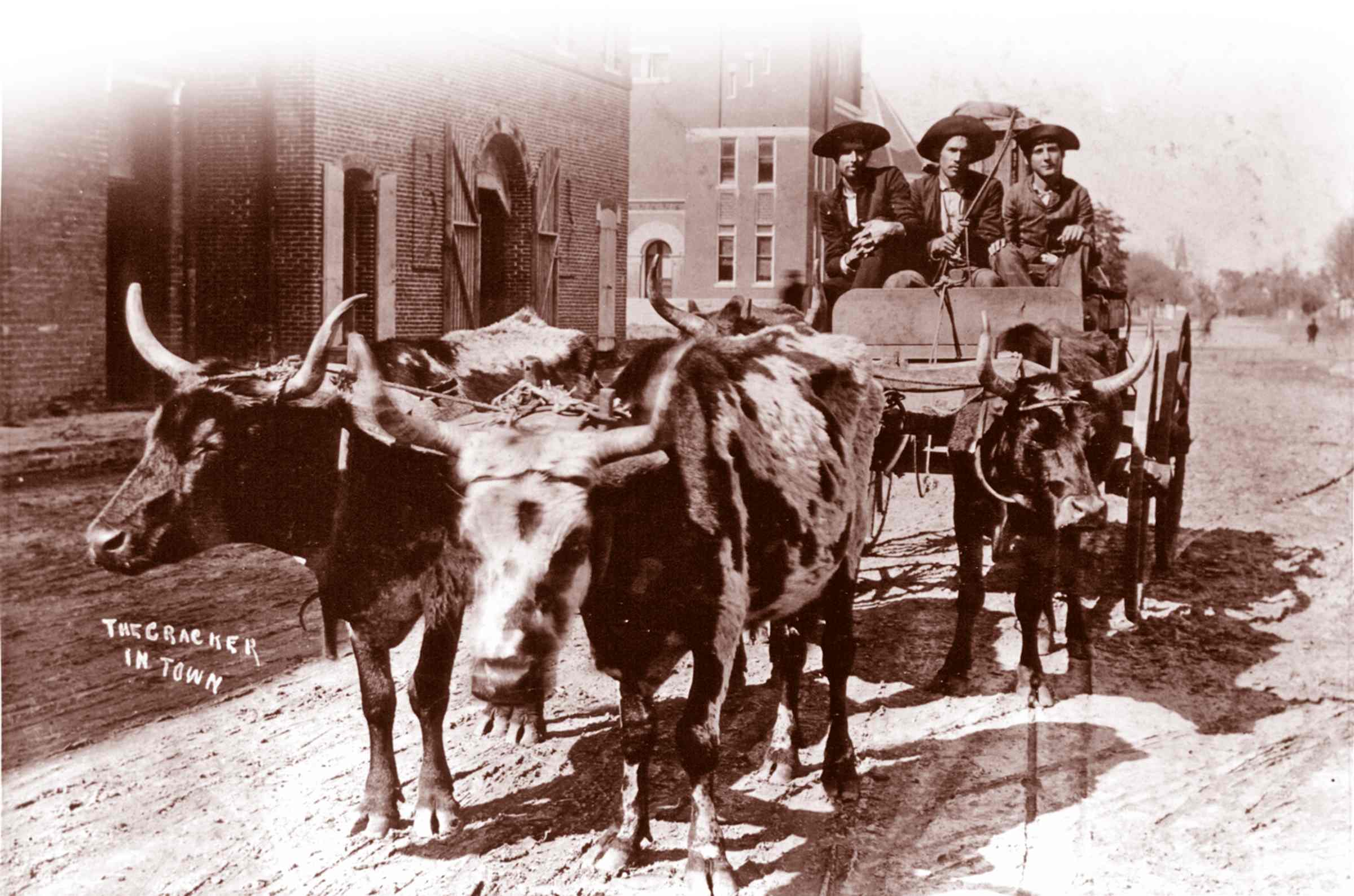
This Orlando postcard from the 1890s was captioned “The Cracker in Town.”
In a lot of places, you might be slugged for calling someone a cracker, if you mean a bigoted, “redneck” Southern white. But in Florida, it’s great to be a Cracker—so much so that we capitalize it.
We laud Cracker architecture and Cracker cuisine. We have novels called Cracker westerns and the Florida Cracker Horse Association. We write obituaries in which folks say something like, “Daddy was a fourth-generation Cracker, and so proud of it.”
All this embodies a heritage that’s elusive even in parts of Florida. What is South Florida on the map is North Florida in terms of culture, so quintessential Crackerdom may be elusive, say, south of Vero Beach.
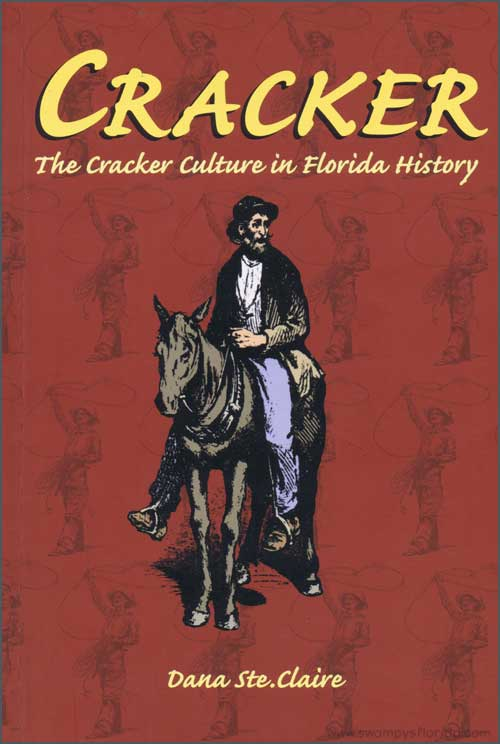 Historian Dana Ste. Claire literally wrote the book on the subject: Cracker: The Cracker Culture in Florida History (University of Florida Press, 2006). He defines a Cracker as “a self-reliant, independent, and tenacious settler,” often of Celtic stock, who “valued independence and a restraint-free life over material prosperity.”
The term goes way back. In Shakespeare’s England, it meant a braggart or a big talker, and by the 1760s it was used in the Southern colonies to refer to Scotch-Irish frontiersmen.
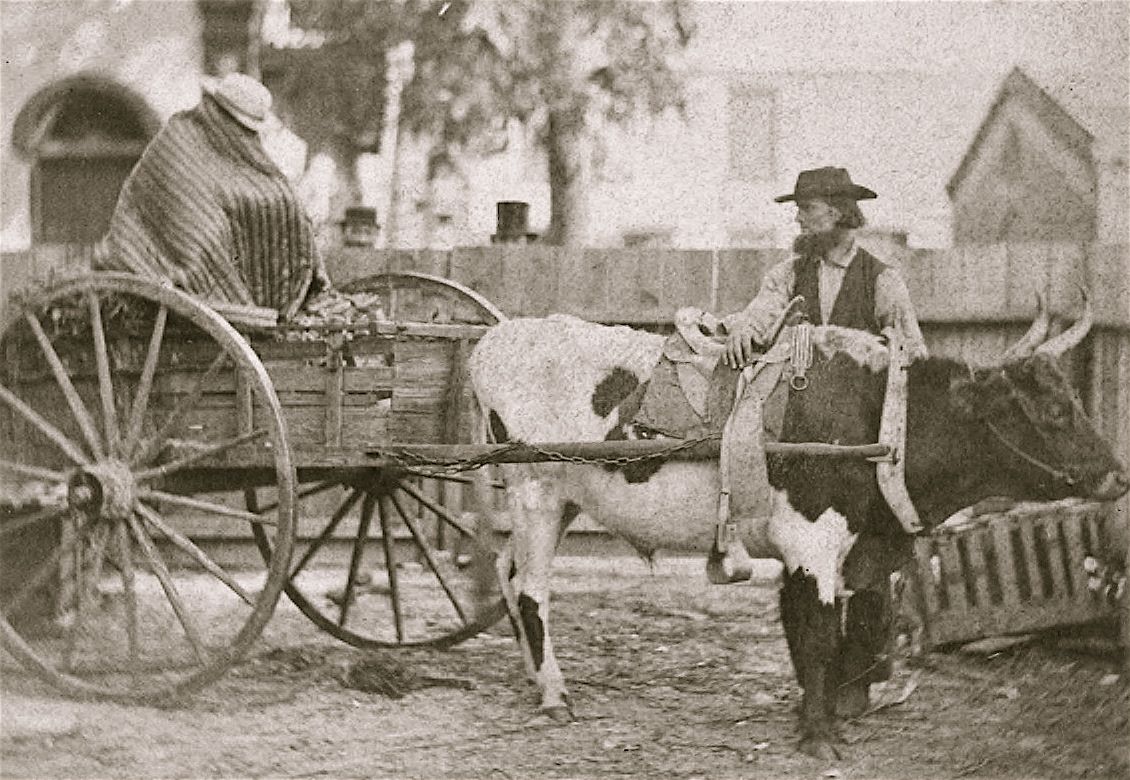 The rough-and-ready qualities of these folks proved an asset on the Florida frontier, where they had to make do in a subtropical wilderness without indoor plumbing, electricity, window screens, bug spray, motorized vehicles, or even towns.
But some did have cattle, and many were attracted to the lifestyle of the cow hunter (in Florida history, it’s never “cowboy”).
To this day, many folks think Crackers got their name because of one of the techniques cow hunters used to herd cattle: “cracking” long, braided, rawhide whips in the air. “Cracker cowmen developed cattle-raising into Florida’s first industry,” Ste. Claire writes. Some did very well at it. As time passed, you could sure still be a Cracker and have money in the bank.
By the early 20th century, “Cracker” had become a regionally affectionate term, and the contributions of the folks called Crackers have been increasingly celebrated in Florida as a distinct and valuable heritage.
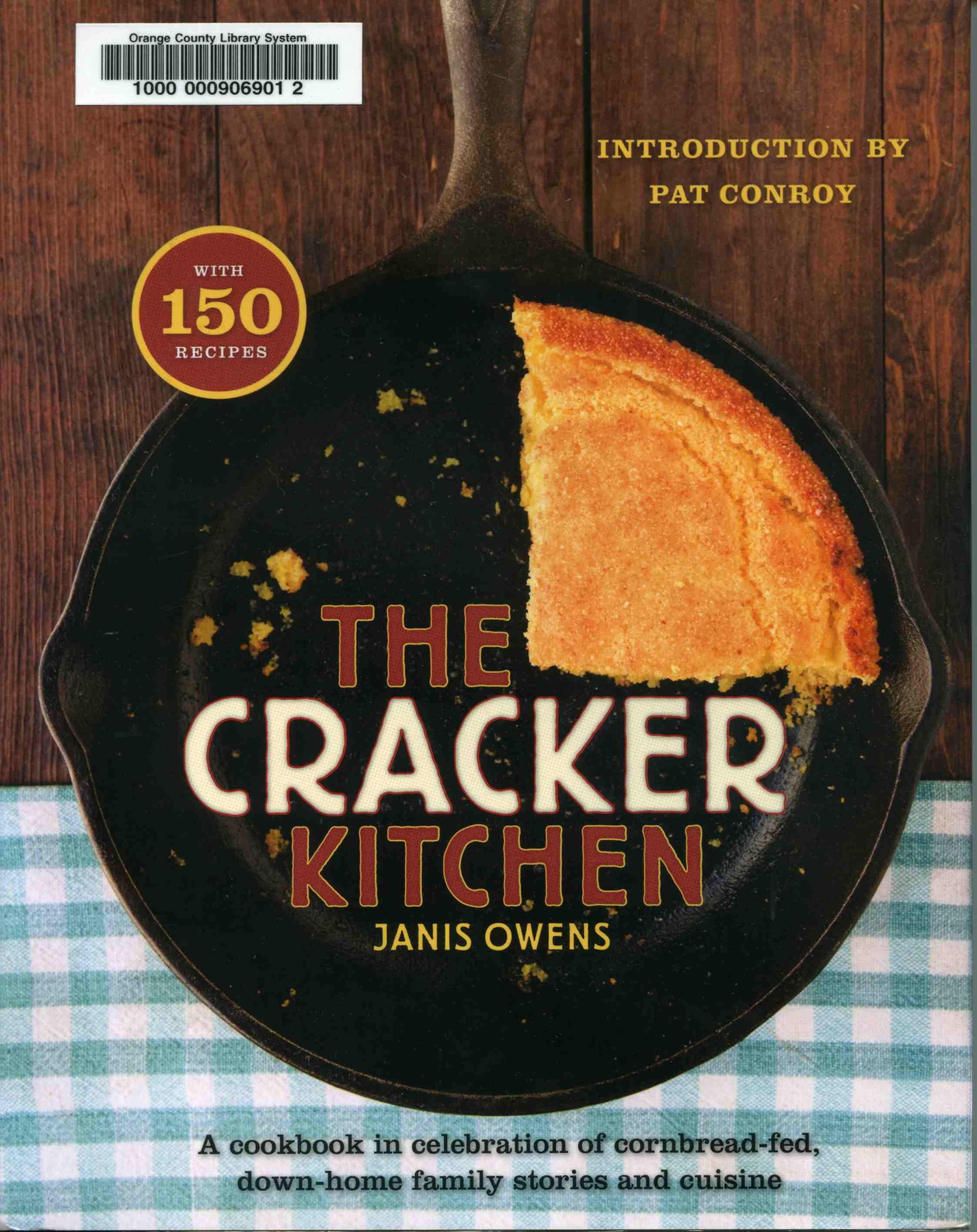 Part of that heritage includes good eating. As the fine Florida novelist Janis Owens writes in her cookbook, The Cracker Kitchen (Scribner, 2009), one of the finest compliments “any Cracker can get, male or female, rich or poor, is that they set a fine table.”
Recipes include Mama’s Cornbread, Green Bean Bundles, Sweet Potato Pie, Carrot and Raisin Salad — just like Owens’ mother always ordered at Morrison’s cafeteria — plus Buttermilk Pie and lots more.
The Florida Humanities Council offers a Cracker-themed music CD, in the council’s online store (www.flahum.org/Support/OnSaleNow)
“Cracker” remains a word to be used with care, however, as historian Ste. Claire notes. Abraham Lincoln once said that no matter how much you respect the common man, never call a man common to his face, and that’s probably still good advice when it comes to Florida Crackers.
Enter Now to Win a Kindle Paperwhite:
a Rafflecopter giveaway
Visit our other Blog Hop contributors and win more prizes:
Victoria Allman, Gator Bites, http://www.victoriaallman.com/blog
Miriam Auerbach, Bonkers in Boca, http://www.miriamauerbach.com/bonkers-in-boca
Gregg E. Brickman, Crazy South Florida—How it got to be home, http://www.GreggEBrickman.com/blog.html
Diane Capri, Fishnado!, http://www.dianecapri.com/blog
Nancy J. Cohen, Characters Too Weird to Be True, http://nancyjcohen.wordpress.com
Joan Lipinsky Cochran, The Million Dollar Squatter: Crazy in the Land of Coconuts and Bagels, http://www.joanlipinskycochran.com/blog.htm?post=952677
jd daniels He Did What? http://www.live-from-jd.com
Dallas Gorhman, http://www.DallasGorham.com
Linda Gordon Hengerer Crazy Treasure on the Treasure Coast, http://footballfoodandfiction.blogspot.com/
Vicki Landis, Eavesdropping 101, http://www.victorialandis.com
Sandy Parks, Keep your eyes to the Florida skies, http://www.sandyparks.wordpress.com
Neil Plakcy, Moscow on the Intracoastal http://www.mahubooks.blogspot.com/
Johnny Ray Utilizing Google Plus Air to Facilitate Author Interviews, http://www.sirjohn.us
Joanna Campbell Slan, Honey, You’ll Never Guess What Rolled Up in the Surf http://www.joannaslan.blogspot.com


 Finding Joy in Florida